News
iNNO SED Partners CHMI to host ADCP Regatta 2026 in Vranov nad Dyjí, Czech Republic
New pathways in comparative hydrometric practice: ADCP (Acoustic Doppler Current Profiler) - comprehensive tool for river hydromorphodynamics monitoring.
15th April 2026
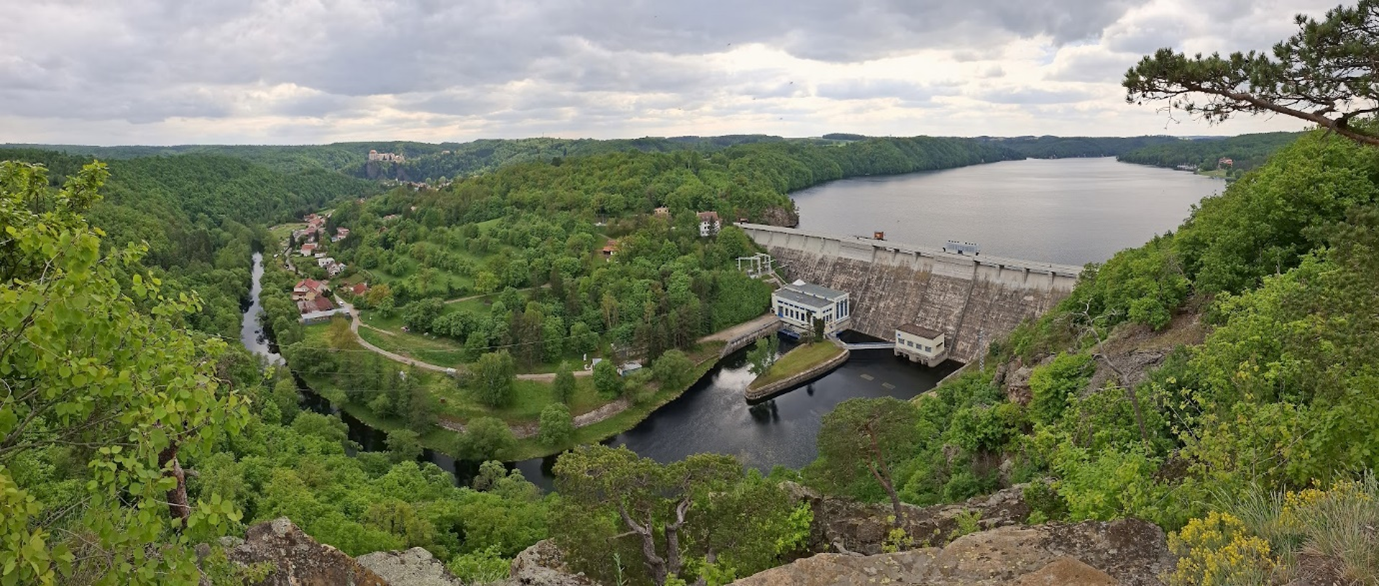
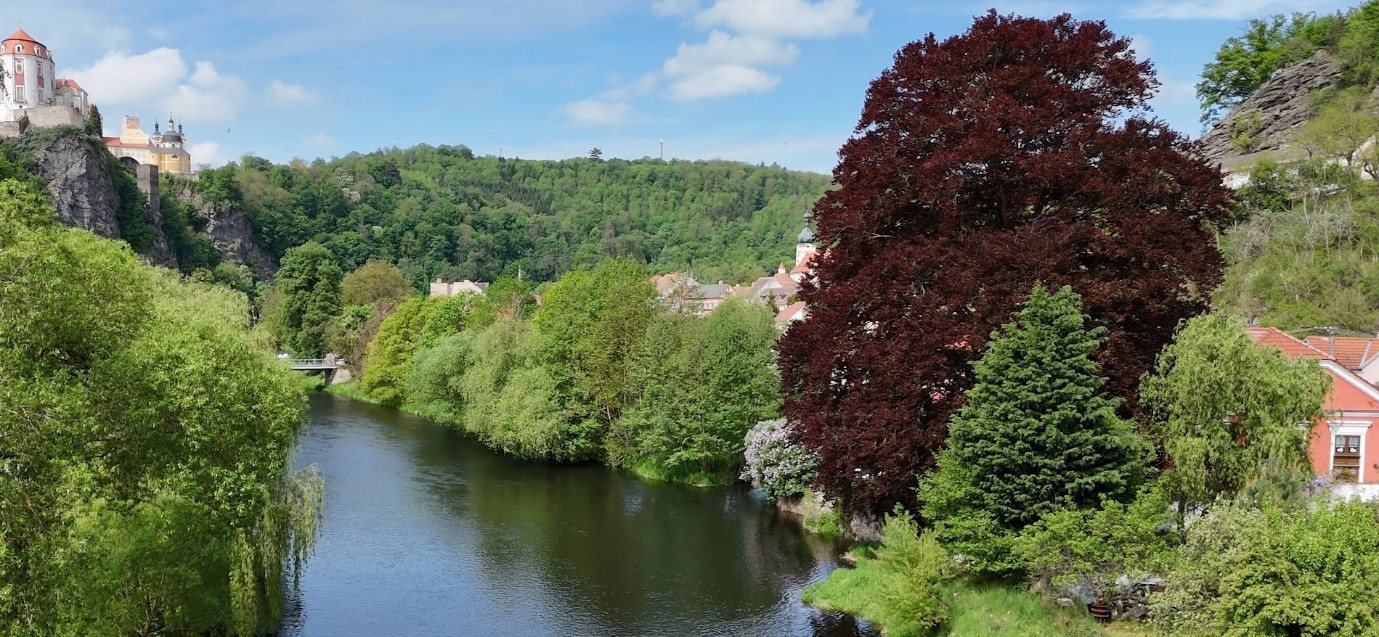
This year, iNNO SED project partners Czech Hydrometeorological Institute (CHMI) will hold their ADCP Regatta 11 – 13th May in the town of Vranov nad Dyjí - nestled under the Vranovska water-reservoir on the river Dyje/Thaya in the South Moravian Region of the Czech Republic (Image 1). The CHMI, specifically the Department of Applied Hydrology (OAH) in Jablonec nad Nisou, has been consistently implementing new technologies into hydrometric practice and, thanks to the experience and investments over the last 15 years, the hydrometric equipment of the institute is considered comparable to the world's leaders in the field (USA, Canada, France). The CHMI ADCP workshops have occurred regularly since 2015 in Vranov nad Dyjí and involve introducing topics covering the fundamentals of measurement but also the innovations in the field of hydrometry, evaluation software, and other practical experience associated with this method of flow measurement.
Comparative Field Measurements/ADCP Workshops:
The primary objective of the comparative field measurements (ADCP regattas) is to compare individual ADCP instruments (under constant hydrological conditions ensured by a stable water discharge from the nearby Vranov reservoir). By comparing the measurement results of individual instruments with the overall average of all measured values, while maintaining uniform settings and procedures, significant deviations that may indicate instrument malfunction can be detected. Comparative measurements of many ADCP instruments conducted in this way are sufficiently accurate, cost-effective, and above all a more accessible form of instrument verification compared to those in certified laboratories.
The primary objective of the comparative field measurements (ADCP regattas) is to compare individual ADCP instruments (under constant hydrological conditions ensured by a stable water discharge from the nearby Vranov reservoir). By comparing the measurement results of individual instruments with the overall average of all measured values, while maintaining uniform settings and procedures, significant deviations that may indicate instrument malfunction can be detected. Comparative measurements of many ADCP instruments conducted in this way are sufficiently accurate, cost-effective, and above all a more accessible form of instrument verification compared to those in certified laboratories.
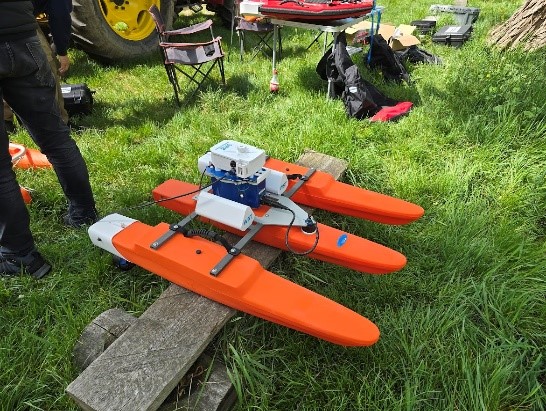
Image 3. The Stork Remote System is a product of Water Survey Tech.PL, an extension for the Teledyne RDI RiverPro instrument. This tool enables users to perform discharge measurements in streams, rivers and lakes more efficiently and quickly, without the need to enter the water. (Photo Credit: Daniel Kurka)
Standardisation and Best Practice
The workshops follow internationally recognized practice, which has already been documented and is expected to be published as WMO Guidance later this year. Certification of users and instruments is required to clarify and manage CHMI’s extensive instrument base, which new staff members at regional branches are gradually becoming acquainted with. Their training and familiarization with both the method and colleagues are among the most significant outcomes of the entire event.
The workshops follow internationally recognized practice, which has already been documented and is expected to be published as WMO Guidance later this year. Certification of users and instruments is required to clarify and manage CHMI’s extensive instrument base, which new staff members at regional branches are gradually becoming acquainted with. Their training and familiarization with both the method and colleagues are among the most significant outcomes of the entire event.
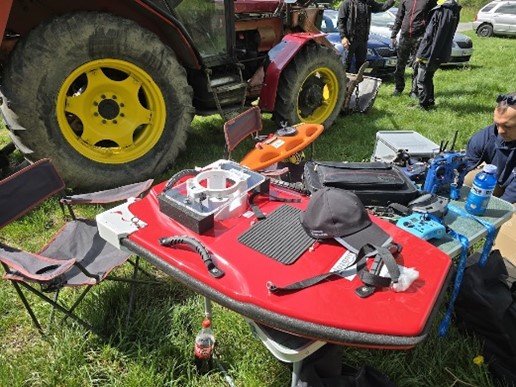
Image 4. The Stork Remote System is an extension for the Teledyne RDI that utilises various types of float. (Photo Credit: Daniel Kurka)
ADCP in Action:
The floods which impacted Czechia in September 2024 clearly demonstrated the valuable capability of CHMI technicians to perform discharge measurements under extremely challenging conditions. The data collected during these floods represent an unprecedented quantity and quality of observations during such extreme events in overall history. The experience gained by staff in measuring flood discharges should be transferrable to other team members, same as the limitations of ADCPs in extreme flows. Once the safety thresholds for ADCP operation were exceeded, the non-contact LSPIV technique proved to have considerable potential for future use. The progress in this area is also reflected in the results presented within the ADCP regatta.
The floods which impacted Czechia in September 2024 clearly demonstrated the valuable capability of CHMI technicians to perform discharge measurements under extremely challenging conditions. The data collected during these floods represent an unprecedented quantity and quality of observations during such extreme events in overall history. The experience gained by staff in measuring flood discharges should be transferrable to other team members, same as the limitations of ADCPs in extreme flows. Once the safety thresholds for ADCP operation were exceeded, the non-contact LSPIV technique proved to have considerable potential for future use. The progress in this area is also reflected in the results presented within the ADCP regatta.
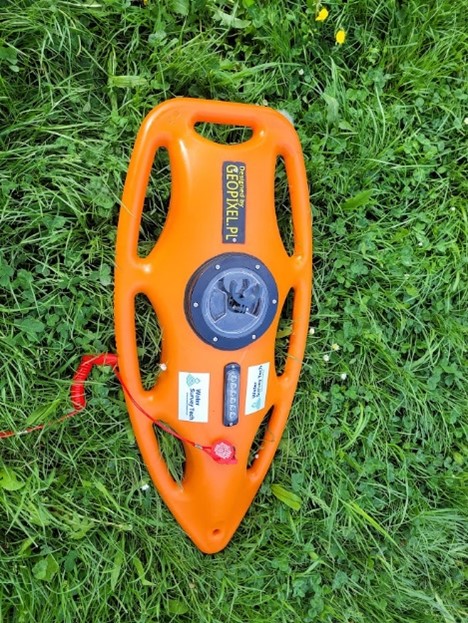
Image 5. The SPII automatic rescue buoy is a product of Geopixel.pl, developed in collaboration with the Polish Water Rescue Service. This remote-controlled buoy is designed to provide first assistance to an injured person (like a lifebuoy). It is designed to be operated with one hand, while the other hand remains free to call for help by calling 112. (Photo Credit: Libor Ducháček)
This year’s workshop builds upon a very successful event in 2025 held adjacent to the Vranov Dam and attended by some 80 participants from all 8 Europe an countries and a number of research institutions and industry stakeholders including Povodi Moravy, Povodi Ohre, Instytut Meteorologii i Gospodarki Wodnej (IMGW), The Slovak Hydrometeorological Institute (SHMU), Administraţia Naţională „Apele Române”, Bundesamt für Wasserwirtschaft, BOKU, Geological Survey of Slovenia, Seba Hydrometrie, SonTEK, Teledyne Technologies, and The Lower Austrian Hydrological Service.
For more information about the ADCP Regatta 2026, please contact our CHMI project partners directly:
For more information about the ADCP Regatta 2026, please contact our CHMI project partners directly:
Libor Mikl - libor.mikl@chmi.cz
Libor Ducháček - libor.duchacek@chmi.cz