
Lesson 2: The journey of a grain
You got the basics now, so let’s follow a small grain of sediment as it travels from source to sea. This lesson will show you some of the factors that influence how sediments form and where they end up.
Best of luck!
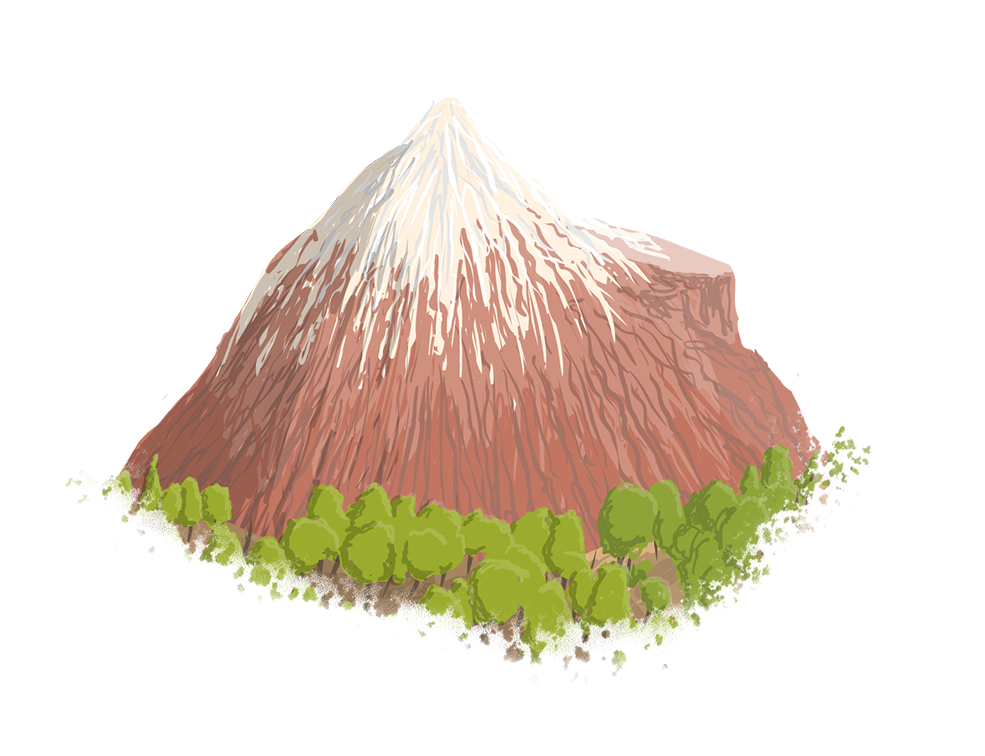
Where it starts:
A sediment grain can come from many different materials: rocks, organisms and even human-created structures. But here, we’re going to start the journey of a sand grain from the most extreme point:
a mountain.
Putting it simply, mountains are the highest points on our planet. They’re built by immense forces such as continental collisions which includes the Carpathians or volcanic activity such as Mt. Etna.
But mountains don’t just keep building – they’re also breaking down all the time through weathering and erosion.
Weathering
As covered in the last lesson, weathering is the process that loosens sediments from their source. Weathering is usually caused by interactions between water and rocks, but many things can weather a rock or any other type of sediment source.
During cold nights when temperatures are very cold, water inside rocks can change in terms of volume as it turns to ice. This shatters the rock, breaking it into smaller sediment pieces.
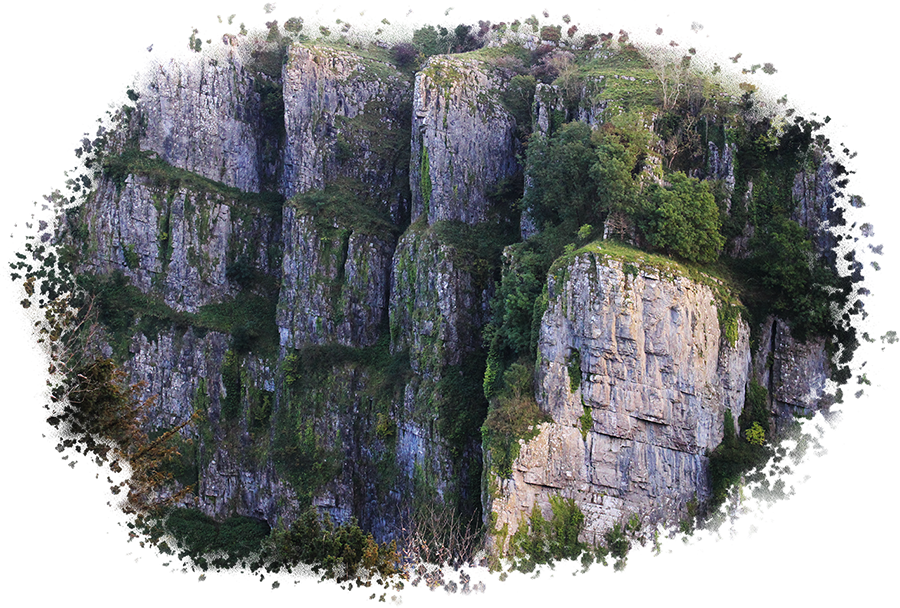
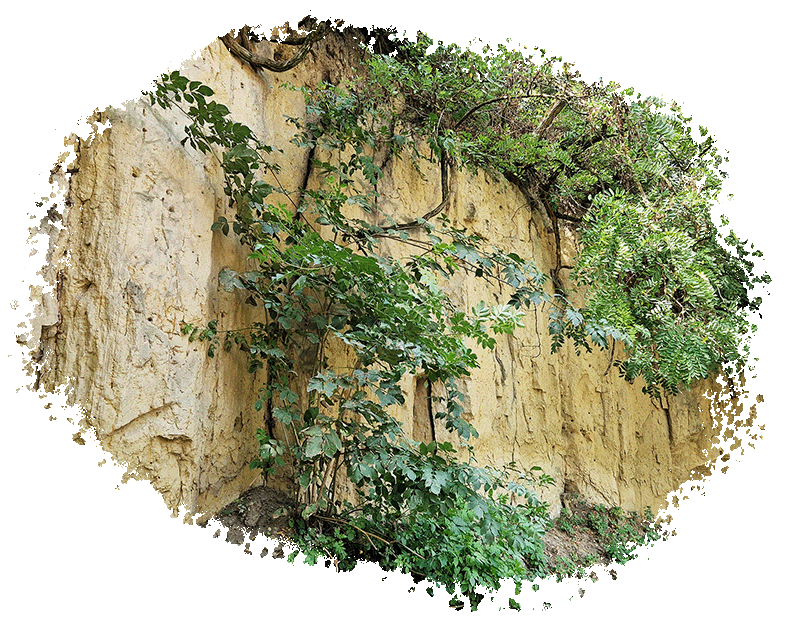
Other factors can be plants destroying rocks with their roots, organisms boring and gnawing, rainwater infiltrating or simply the effect of gravity on a cliff.
After the sediments or rock fragments have been loosened, they now need to be transported.
Erosion
As the sediments now are loose, they can be transported away from their source. A couple of different factors can help us here. Again, gravity is an effective way of getting sediments away from their source, but they don’t necessarily get far.
You’ve probably seen alluvial fans as shown in the image where sediments simply pile up in these iconic structures.
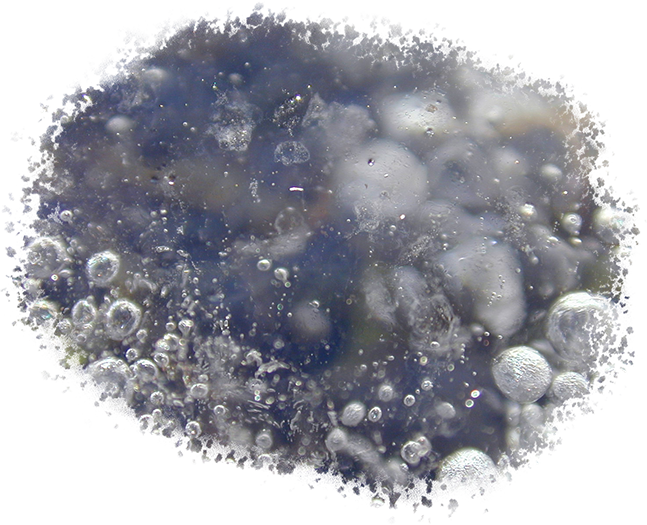
Air and water are better ways of getting sediments far away from the source. Air can transport lighter sediment grains away, while water can carry nearly all sizes.
Overall, forms of erosion basically transport our sediments away from their source. Next, we will follow them to see where they go.
Transport
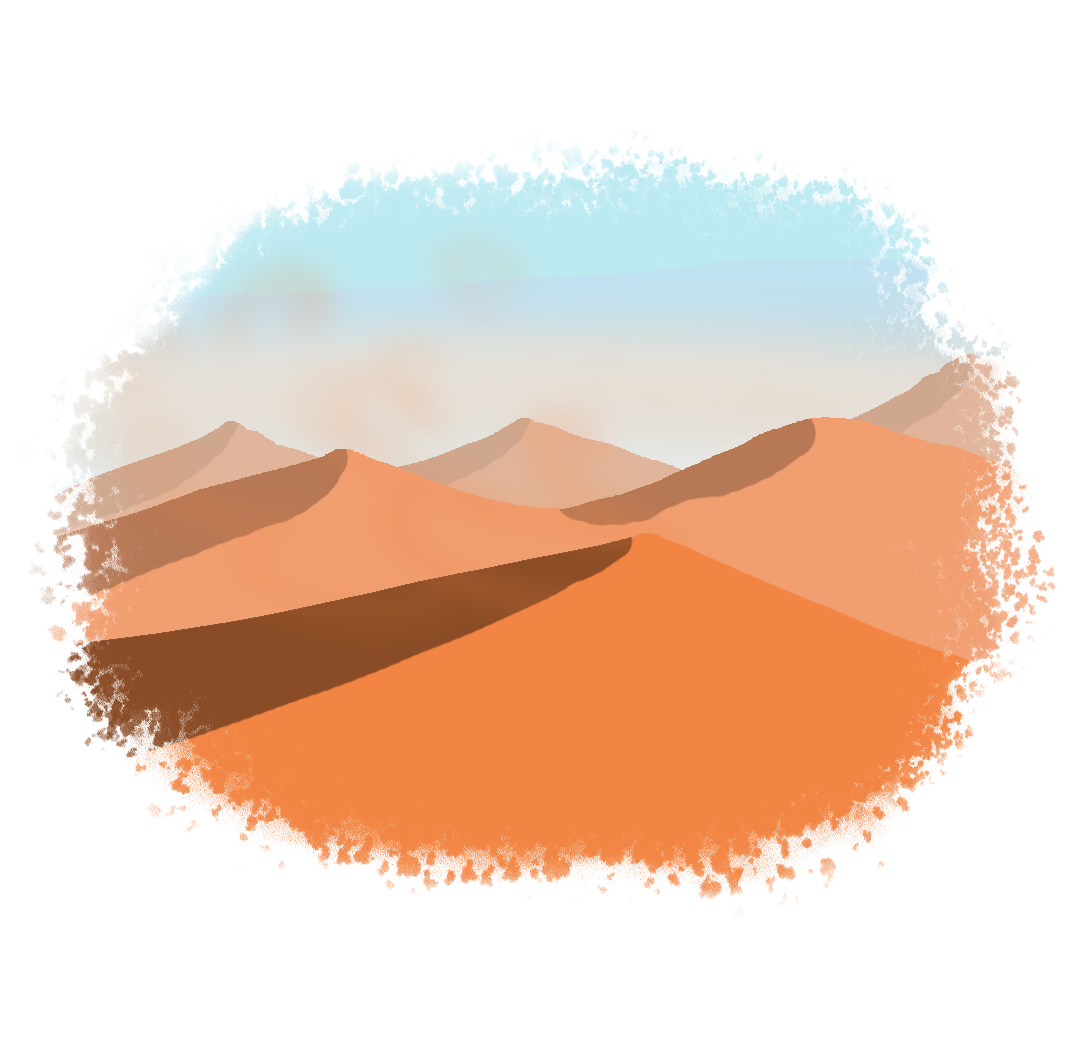
While the wind can carry light sediments thousands of kilometres away, it’s only the lightest forms of sediments that can get carried by air.
For instance, sands from the Sahara-desert can be blown all the way up to northern Europe or across the Atlantic Ocean. This distributes the Saharan sands far and wide quickly, but again, this includes only lighter sediments.
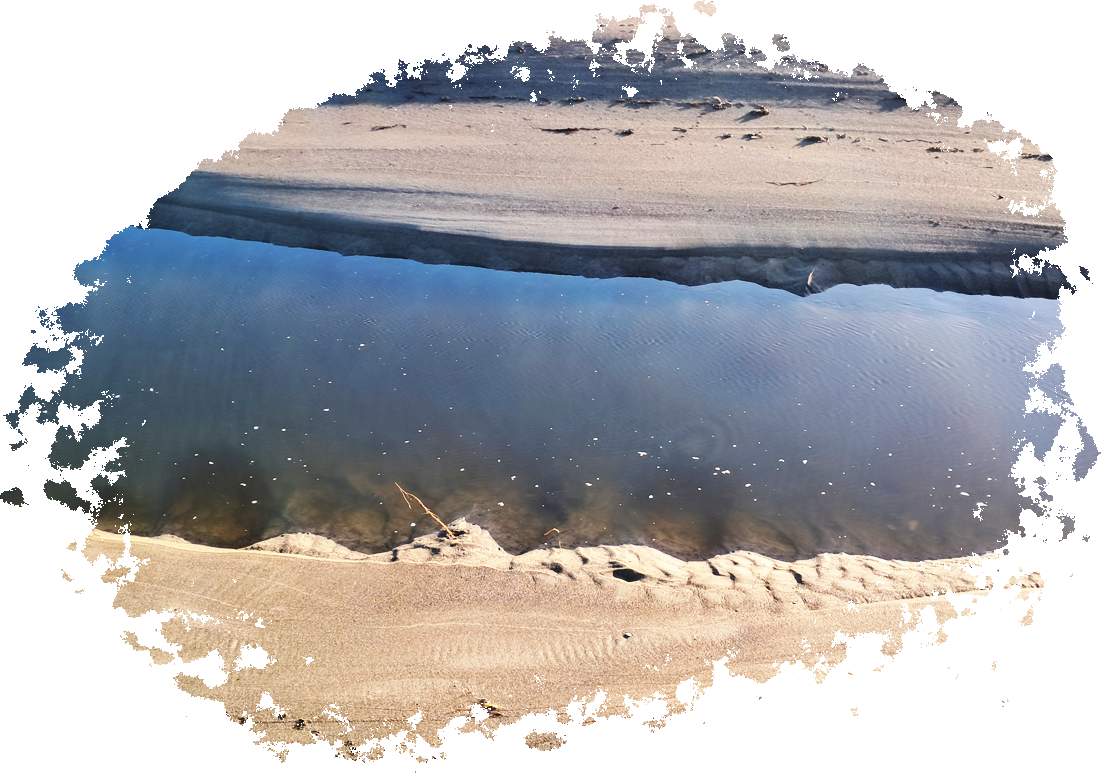
Rivers, however, are more effective at transporting many different types of sediments. This is due to water having a higher density than air.
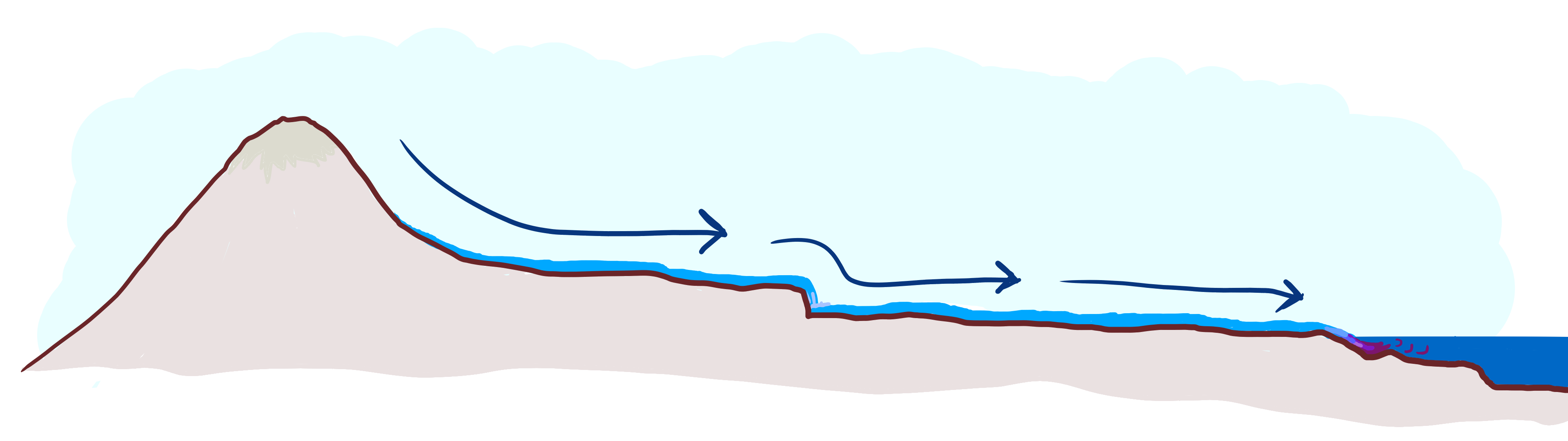
Rivers begins as small streams with low energy. Here, energy refers to how strong the flow is. Most sediments here sink to the bottom quickly when there isn’t enough energy in the stream to keep them moving.
How sediments move
Overall, sediments move in three ways: by rolling or sliding across what we call the bed, which is the floor of a river. Sediment grains can also move by saltation where they get picked up briefly, but land somewhere not far away due to gravity.
Finally, if there’s enough energy and the sediment sizes allow it, then more grains can become suspended in the river and travel much longer distances.
Video: How sediments move in rivers
The stream turns into a river
And so, the smallest of our sediments get to go on a long journey. As our stream meets other streams, it grows into a river. The energy in the water increases.
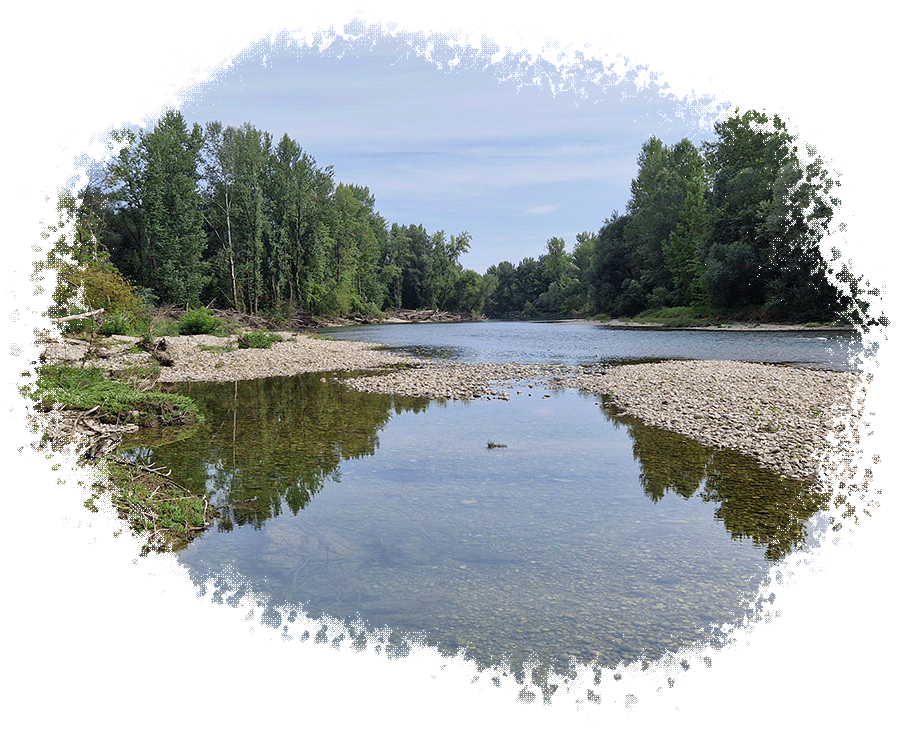
But depending on the terrain, the river may calm a bit and some of our sediments settle, depositing on the riverbed. New sediments may also be picked up along the way, creating a vibrant mix of materials!
Deposition
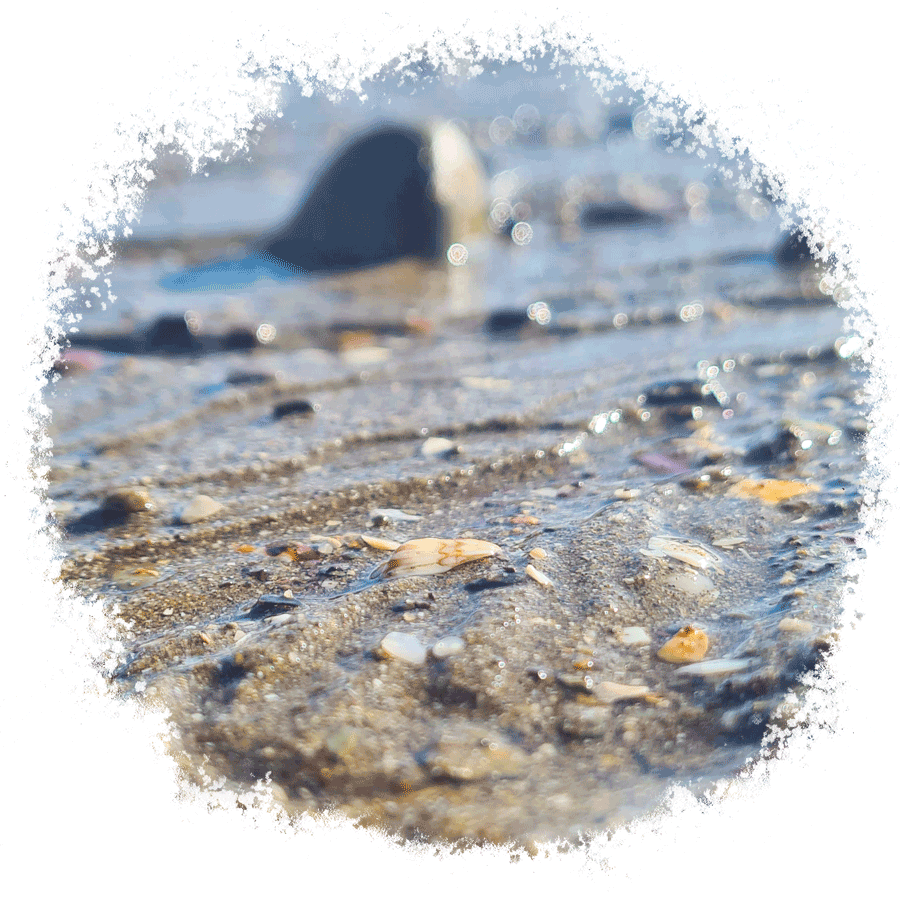
At the end, our hero sediment grain meets low energy flows close to the sea in a delta. Here it’s deposited, and more sediments accumulate along with other similarly sized clay sediments.
Over time, more grains arrive slowly burying our grain over time. All of these together make up sediment layers.
Click on the hotspots in the image to learn more about basins
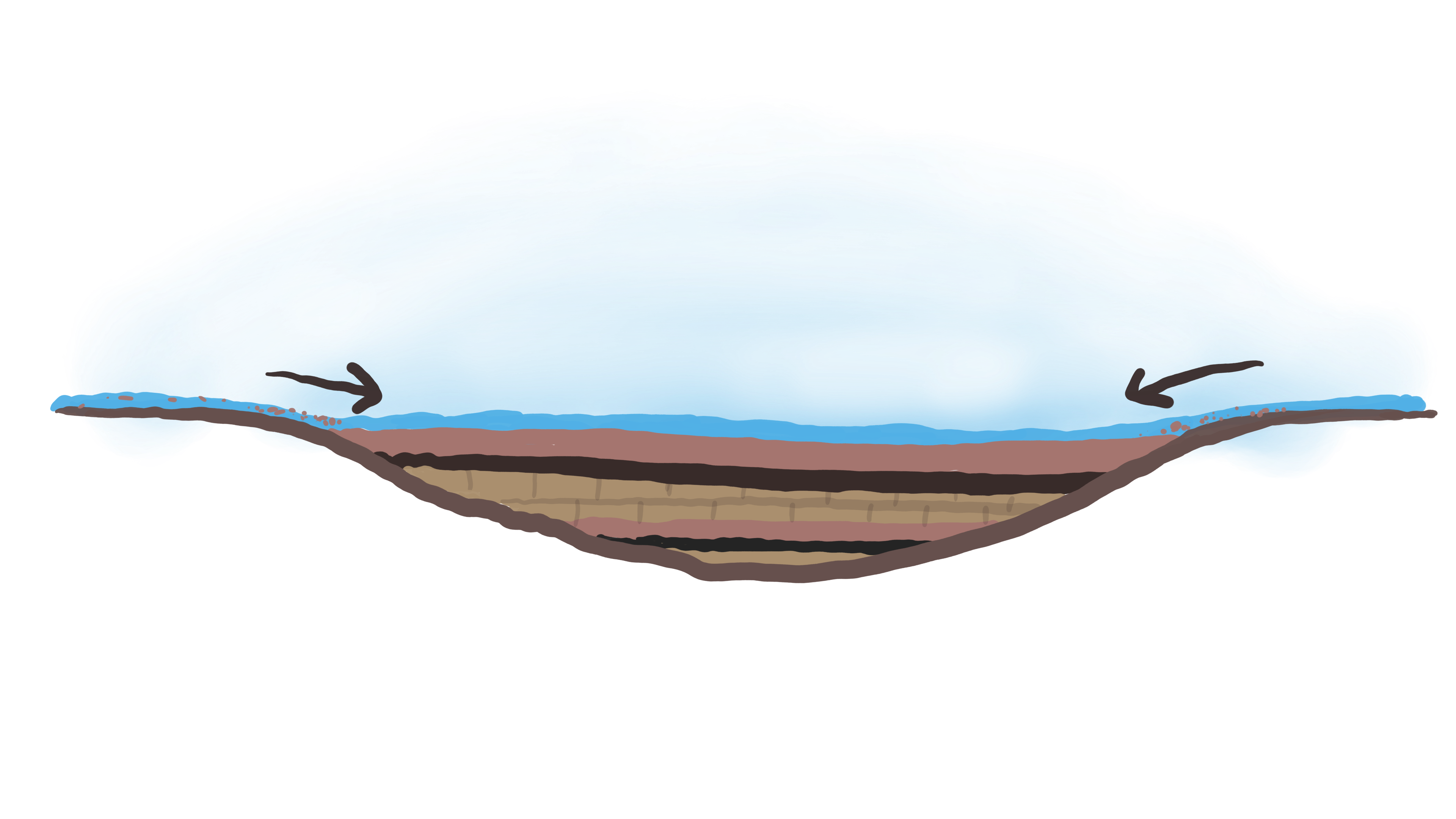
1. As they flow, rivers transport sediments to low-lying areas.
2. At the bottom of the basin, the water stops flowing and settles as lakes, low-energy rivers or seas.
3. The sediments then deposit on the bottom of these quiet water bodies accumulating into sedimentary layers.
4. Over hundreds, thousands or even millions of years, layers of different sediments fill the basin, burying on top of each other.
5. The sedimentary layers can range from sand, sandstone, limestone, shale, clay, mud, silt, pebbles and even biological material. This all depends on the environment and source of sediments.
Low-lying areas often get filled with billions of tonnes of sediments over long stretches of time. In some areas the sediment layers can become several kilometres thick. We call these areas sedimentary basins. Along certain stretches of the Danube River – mainly in the lowlands – we can find these large sediment accumulations as well.
The journey ends
And so, our sediment grain is now several kilometres underground, and its journey is over for now!
This was of course one idealised way that a sediment grain could travel. In fact, reality is much more complex as you’ll see in the next few lessons.
And again, there are other ways that sediments can be transported from one place to another, including by air, organisms or gravity flows. But for the sake of this course, let’s focus on the main way: rivers.