
Lesson 5: Challenges and solutions
Rivers are vital environments for us and other organisms, and now you see how the sediment balance in them is such a key component. In this final lesson, we will present some of the challenges and solutions related to the health of rivers, so that perhaps you can help in protecting them.
Best of luck with this final lesson!
Getting to work
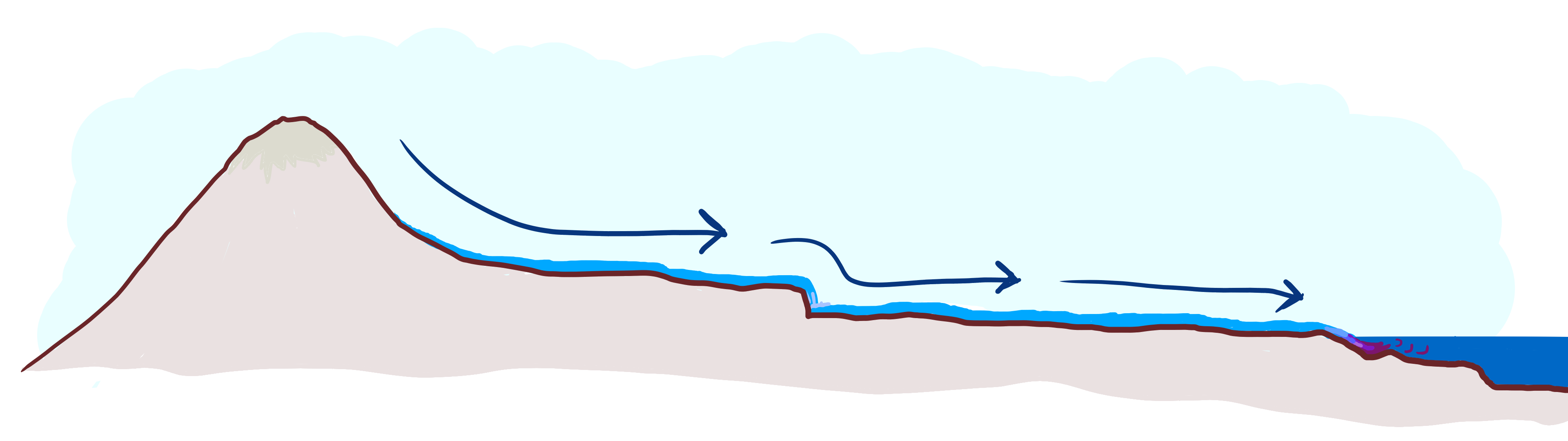
The threats and challenges surrounding sedimentary environments involve how the river may affect our activities and in turn how our activities influence sedimentary environments. Many organisms rely on the stability of their habitats to thrive, and we are dependent on many of these organisms as well. As covered before, changes in river flow and sediment supply can have dire consequences for life in the waters.
The bad news first
Due to the complexity of rivers and sedimentary basins, we won’t cover all challenges associated with these systems. But some challenges are more widespread or urgent than others.
Here are some:

Higher sediment supply
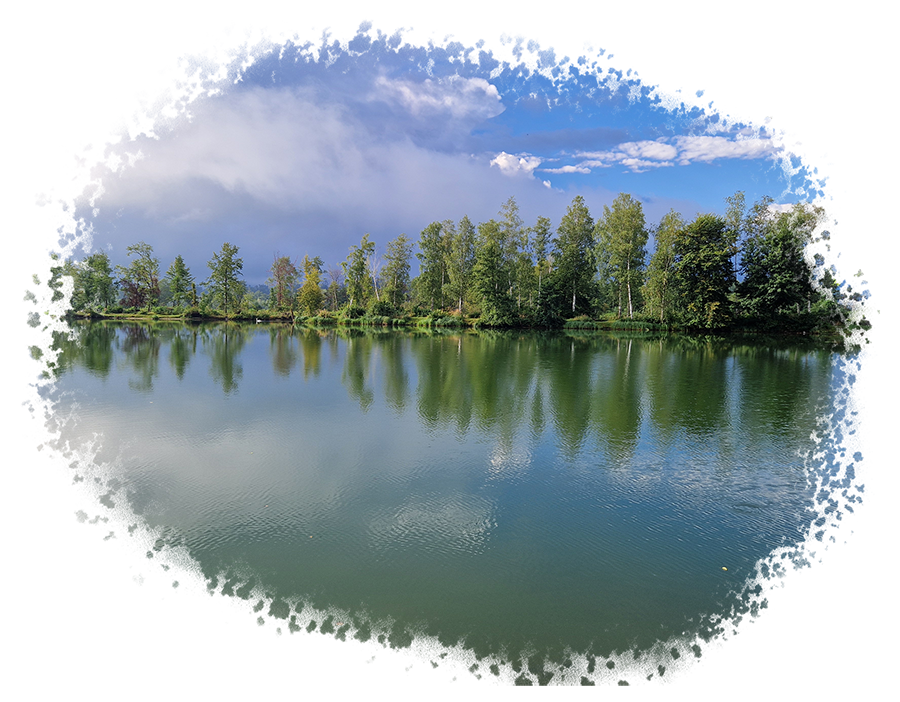
Weathering and erosion can increase if the climate brings more intense rain or storms, or if too much vegetation is removed. Plant roots help hold sediments in place, so that they don’t get washed away easily.
After a night of heavy storms, a river can gain destructive power, as seen during summer thunderstorms along the Danube River. If we remove too much vegetation around rivers, it might result in increased sediment supply which may affect habitats and river flow.
Floods
While rivers can bring disastrous and deadly flooding after severe rain events, they also remove excess water all the time. Rivers are, in a sense, flood control systems, but sometimes they get more water than they can carry within their channel. This is when we get floods.
More sediments accumulated on the riverbed means that the river can carry less water, showing how closely connected river flow and sedimentation are.
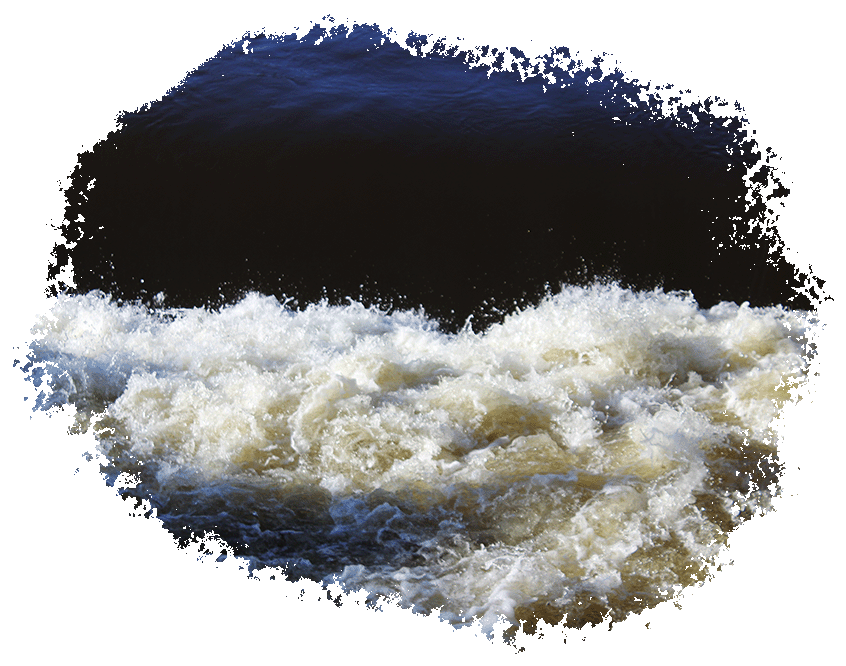
At the same time, river-bed incision can disconnect rivers from their floodplains. When this happens, water stays trapped in the channel instead of spreading across the floodplain, which can make peak floods higher downstream. Sediment buildup on floodplains can also reduce their ability to store floodwater. Together, these processes can increase flood risk, so understanding sediment dynamics is an important part of flood management.
Energy production
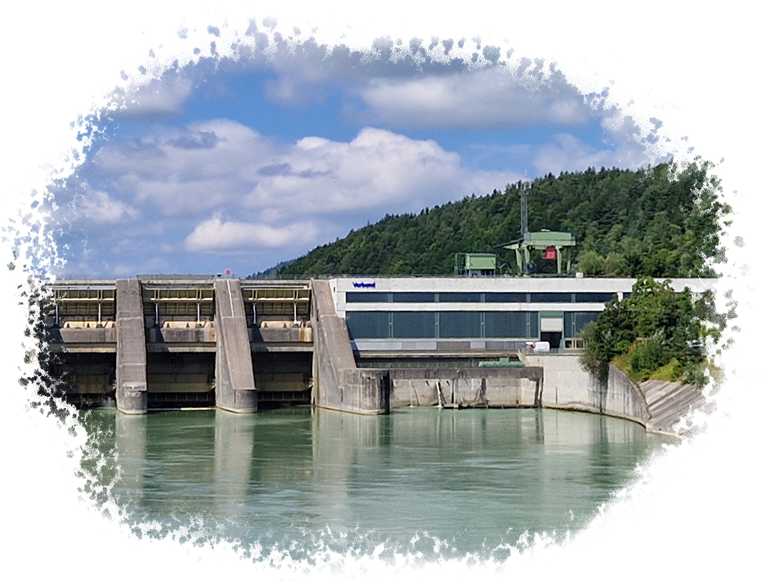
Hydropower is a promising source of renewable energy and can help reduce fossil fuel use. But hydropower plants can have intense effects on several of the issues covered earlier.
Dams and hydropower plants may disrupt and or reduce essential supplies of sediment along a river, disproportionately accumulating sediments upstream. Downstream the river may receive too little sediment, which can have dire effects on ecosystems and the shape of the river and floodplains.
We need to find a balance between encouraging this important source of energy while having as minimal impact on the natural systems as possible.
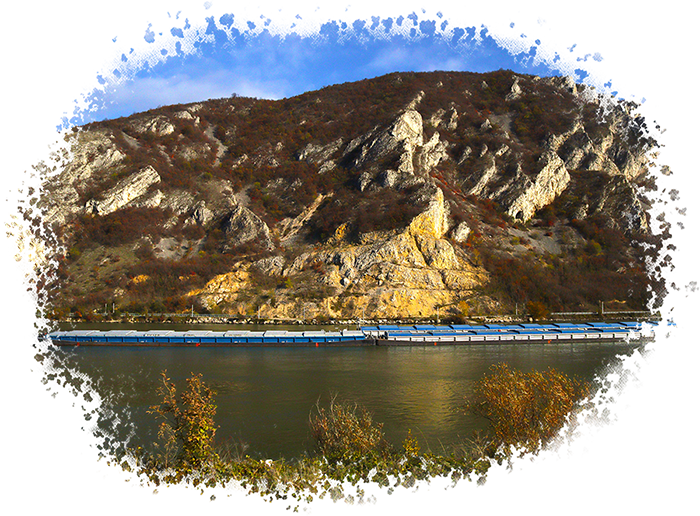
In many countries, there is growing momentum to remove old or unused barriers where the environmental and social costs are greater than the benefits. This generally applies to smaller or obsolete structures.
Large hydropower plants on major rivers like the Danube, however, provide significant electricity and cannot simply be removed, so other sediment solutions are needed.
In some cases, sediment-flushing (releasing stored sediment through controlled drawdowns and flows) can help move sediments past the dam. But this is not feasible for every dam and requires careful planning. Flushing can temporarily reduce energy production, and if it is done too rarely, large amounts of sediment may be released all at once. If flushing happens mainly during floods, sediment can spread widely over floodplains and may also transport contaminants that have built up in the reservoir.
Because of these trade-offs, managing sediment around dams is a complex issue that needs site-specific solutions and close cooperation between engineers, ecologists, and water managers.
Sediment management
At times, we need to step in to shift the balance manually a bit. This can involve removing, adding or displacing sediments directly, or changing how we manage rivers.
The importance of sedimentary processes can’t be understated. Before we humans started influencing rivers and basins, there was a long-established natural balance between erosion and deposition. Even with dramatic changes from earthquakes, rain events or landslides, rivers could gain a new equilibrium.
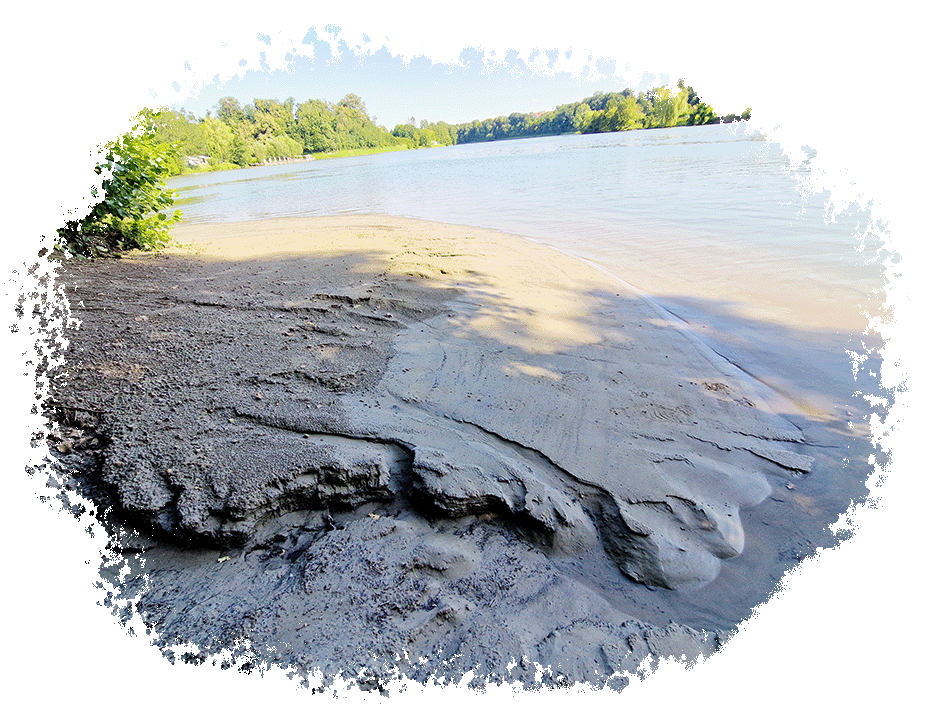
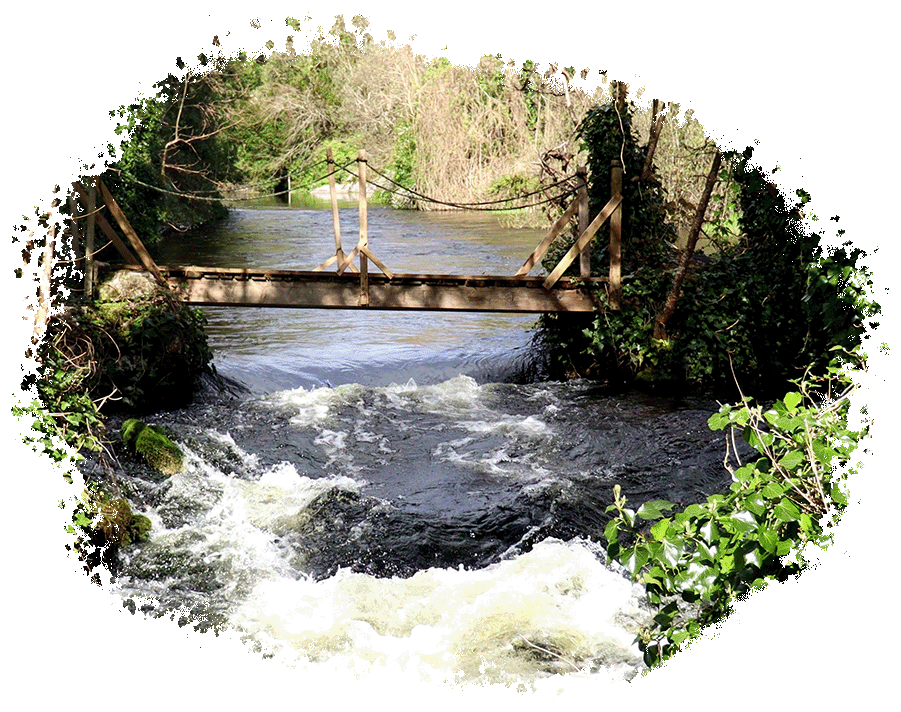
However, human activities are often quick, repeated, or on the opposite constant, which prevents this important rebalancing from taking place. By understanding a river basin better, we can work toward achieving a new, functional balance – and then managing it carefully so it remains stable as conditions change.
Solutions
Besides manual sediment management, there are many solutions being researched and tested to improve the quality of our river systems and the sedimentary processes in them. Again, finding such solutions are not only vital for the ecosystems in them – it also supports our livelihoods.
Local activism and engagement from people who rely on rivers for their daily activities and well-being is key. We need more to learn about the consequences of our activities and how they can shift a long-established natural balance.
Getting out there!
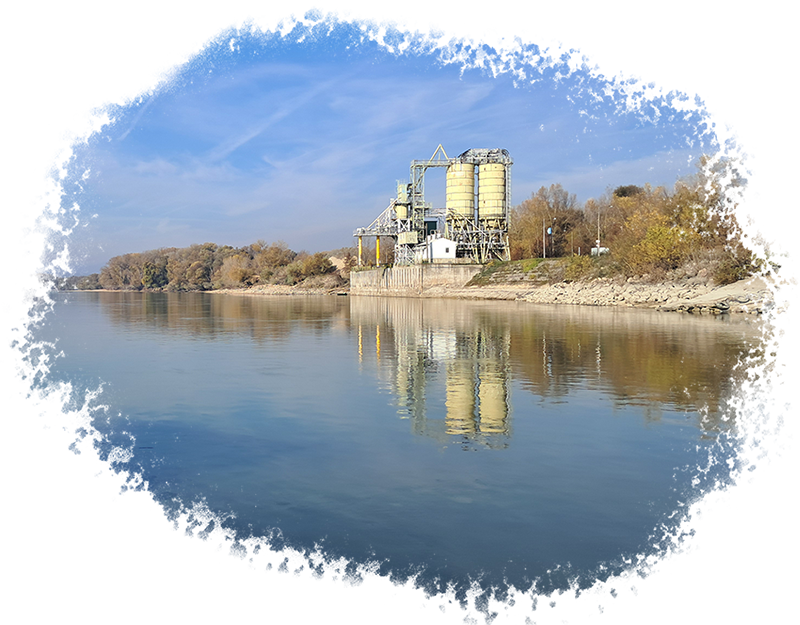
Citizen science, education, community groups and conservation efforts by local river dwellers are already making a difference, and they often go hand-in-hand with scientific research to address and tackle these challenges. We also need more people to be aware of how rivers work and how many species depend on healthy water and sediments. That means that we can all take part in protecting them and be part of the change.
By working together with industries and other users along rivers, we can better identify and reduce the impacts of large-scale activities on ecosystems and the resources we all rely on.

Rivers are part of a much larger system. Over long periods, rock and organic material are eroded, transported, and eventually carried to seas and oceans, becoming part of the planet’s geological cycle. Sediments link landscapes, ecosystems, and human societies in ways that are often invisible – until they are disrupted.
Understanding rivers and their sediments helps us protect both nature and our own future. And with informed communities, careful management, and ongoing research, we can support river systems so they continue to shape healthy landscapes for generations to come.
Test your knowledge in the quiz below
Well done!
Thanks for taking this short course on sediments! You should now have a basic overview of how river and basin systems – and the sediments within them – work.
There are many more topics and aspects to cover, but now it’s your turn to look closely at the rivers around you and see what stories their sediments can tell about the landscapes, ecosystems, and history around them.
No Generative AI was used in the creation of this course.
References used:
- M. Leeder. 2009. Sedimentology and Sedimentary Basins: from turbulence to tectonics. Wiley-Blackwell. First printed in 1999. ISBN: 978-1-444-31140-2.
- D. Vázquez-Tarrío, V. Ruiz-Villanueva b c, J. Garrote a, G. Benito, M. Calle, A. Lucía & A. Díez-Herrero. 2024. Effects of sediment transport on flood hazards: Lessons learned and remaining challenges. Geomorphology, Vol. 446, 108976. https://doi.org/10.1016/j.geomorph.2023.108976.